
Winter conditions put White Rock homes at risk of costly pipe bursts. With over 20 years of service in this area, we’ve seen how a few key steps can make a real difference. By managing indoor temperatures, draining vulnerable pipes, and adding proper insulation, you can protect your home this season.
Keep Your Thermostat at 18°C or Above Day and Night
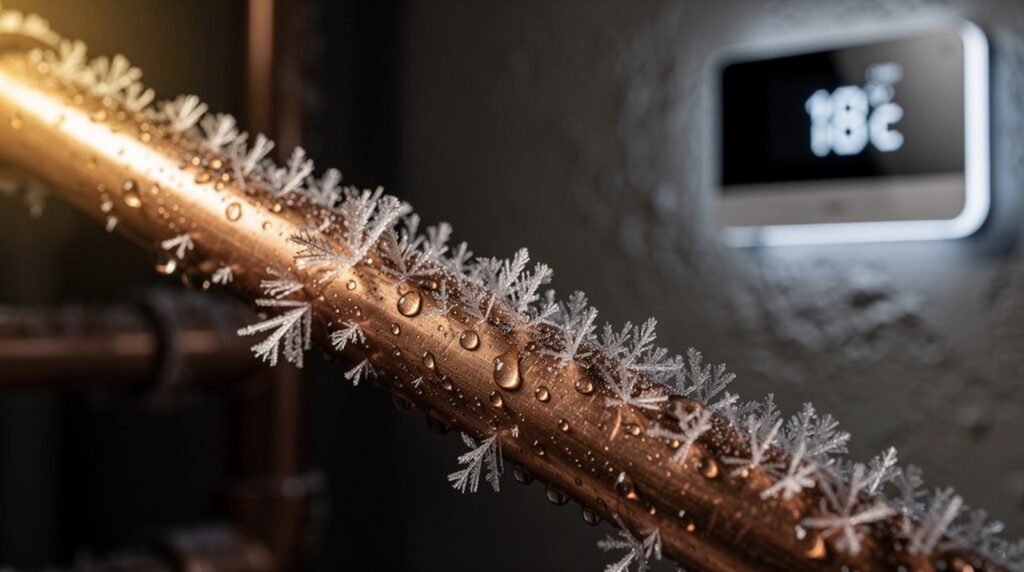
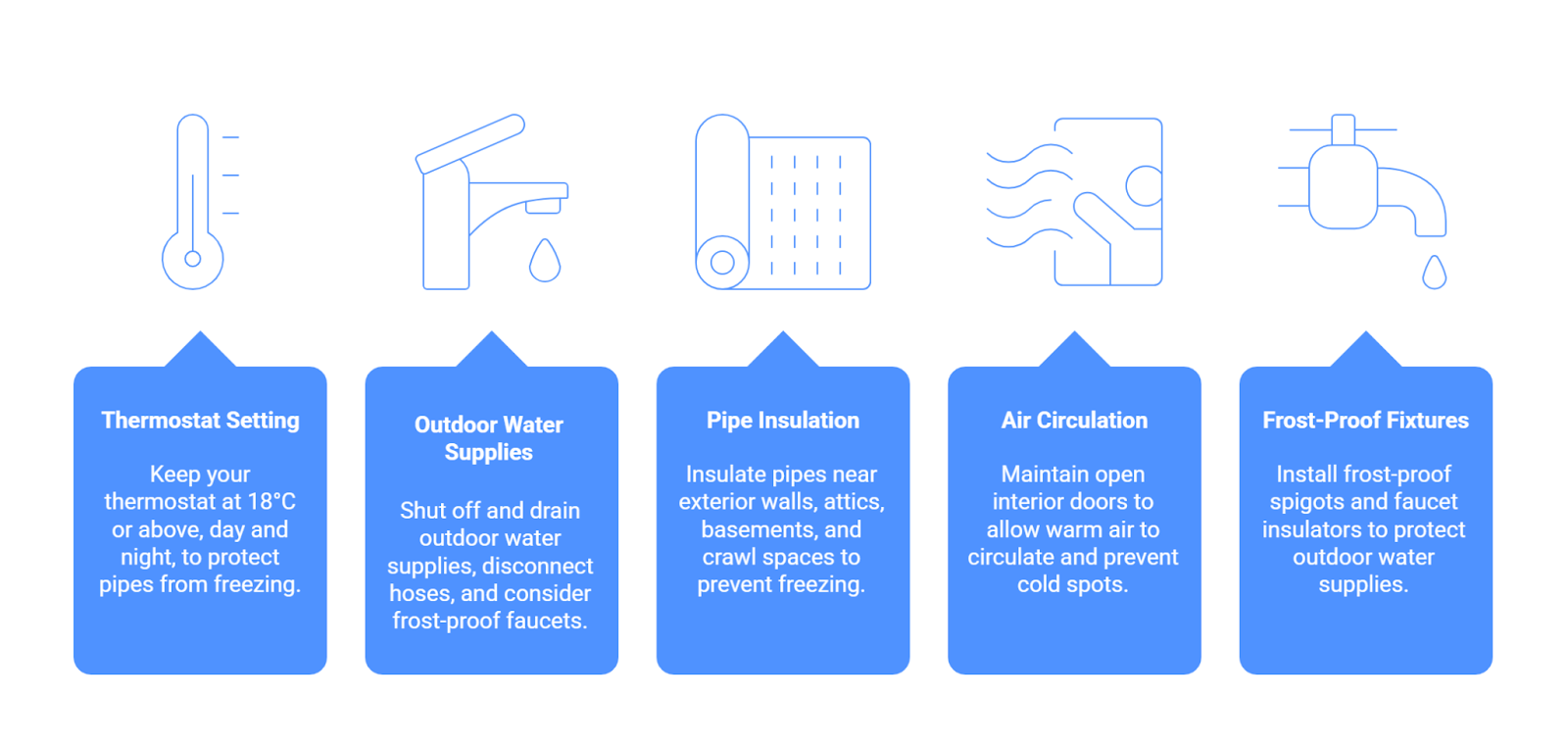
Pipes freeze when indoor temperatures drop below 0°C, so we recommend keeping your thermostat at 18°C or above, day and night. This protects water in your pipes, including those hidden inside wall cavities where cold air can settle. A steady temperature also prevents the freeze-thaw cycles that weaken pipes over time.
Insulate Pipes Near Exterior Walls
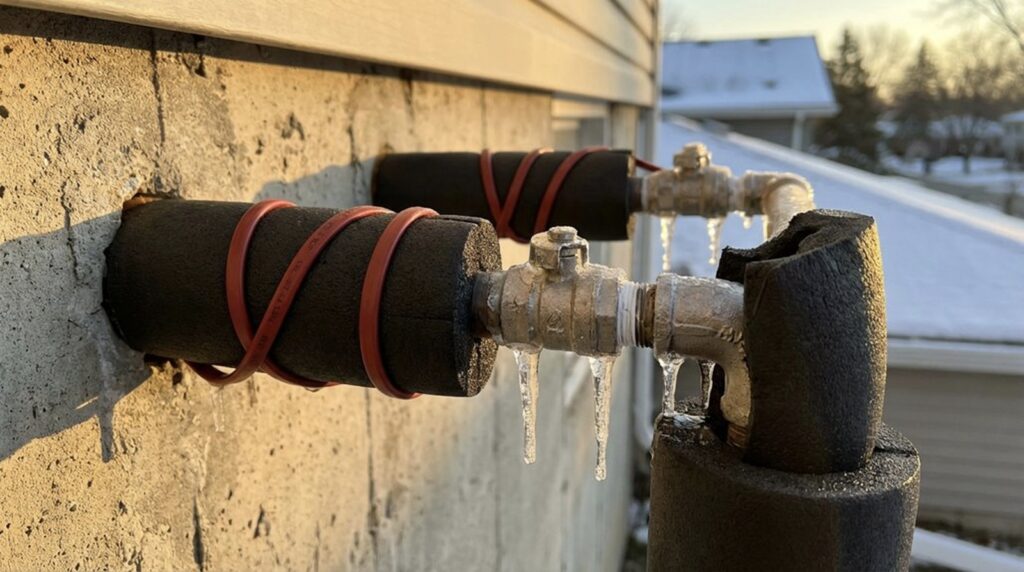
Pipes near exterior walls are at risk of freezing in most White Rock homes, so focus your insulation efforts there first. Prioritize pipes within 3 metres of exterior walls, as well as those in attics, basements, and crawl spaces. Measure your pipe diameters and fit snug insulation, then wrap joints, corners, and gaps with foam tape for full coverage.
Shut Off and Drain Outdoor Water Supplies
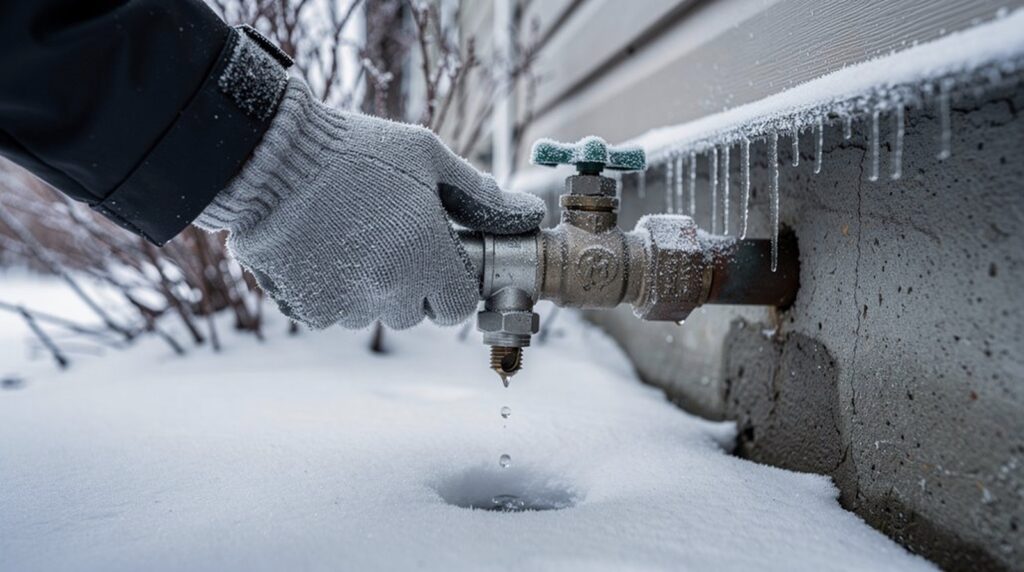
Now, let’s look at protecting your exterior plumbing: start by turning off the interior valve that supplies your outdoor faucets, then open each outdoor faucet to drain any remaining water. Disconnect garden hoses straight away, and we also recommend fitting frost-proof faucets and insulating any exposed pipes to prevent freeze damage.
Maintain Open Interior Doors for Air Circulation
Insulation helps, but proper airflow is just as necessary. Keeping interior doors open so warm air can circulate freely to cabinets, attics, and basements where pipes are located, prevents cold spots from forming and reduces the risk of frozen pipes.
Install Frost-Proof Spigots and Faucet Insulators
Two items help protect your outdoor water supply: frost-proof spigots and faucet insulators. Frost-proof spigots have insulated internal valves that shut off water when not in use, while faucet insulators are inexpensive covers that wrap around exposed faucets. We recommend checking your outdoor fixtures before winter and replacing worn models with frost-proof versions. When they are used together, they offer strong protection against freezing.
Questions Often Asked
What Are the Warning Signs of Frozen Pipes?
The first sign is usually reduced water flow or no water at all when you turn on a tap. You may also notice frost on exposed pipes, unusual odours from drains, or bulging in visible pipe sections. If you spot any of these signs, turn off your water supply at the mains and call a plumber before the pipe bursts.
How Long Does It Have to Be Below Freezing for Pipes to Burst?
Pipes can burst after just a few hours of exposure to freezing temperatures, though the exact timeline depends on insulation and airflow. We have seen rapid drops below -7°C cause damage within hours, so we recommend taking action as soon as freezing weather is forecast.
How Often Should I Run Water to Keep Pipes From Freezing?
When temperatures drop below freezing, let water run at a steady drip from your most vulnerable faucets. This keeps water moving through the pipes and reduces the chance of freezing. Adjust the flow based on how cold it gets outside. This is one of the most effective temporary measures you can take.